Los Omaguas

The tropical forests of the Ecuadorian Amazon hide the traces of the different civilizations that have inhabited it over the centuries, with the passing of time there has been evidence of its existence, either by the Mother Nature or for the expeditions made by those who study them and write their history.

There is a culture that inhabited the banks of the Napo and Coca River that history has not yet recognized, Los Omaguas.

Its archaeological background indicates that among the Years 1,100 and 1,400 AD populated the central region of the Amazon, also known “The Pirates of the Napo River”, the Omaguas were one of the largest and fiercest civilizations in the region, it is known that its territory covered more than 900 square kilometers.

The language of ceramics and funerary rites

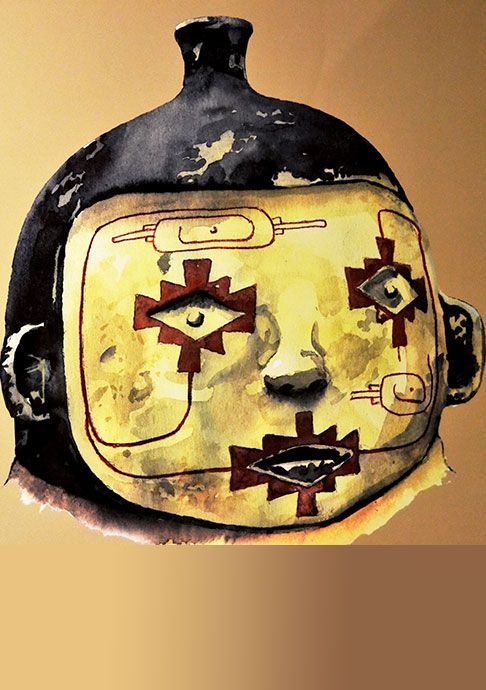
Characterized by being navigators and warriors, this town was refined as it had a broad cultural and spiritual background; evidence that was embodied in its pottery whose forms and representations made reference to the spirit world present in all living and inert forms of its surroundings. 
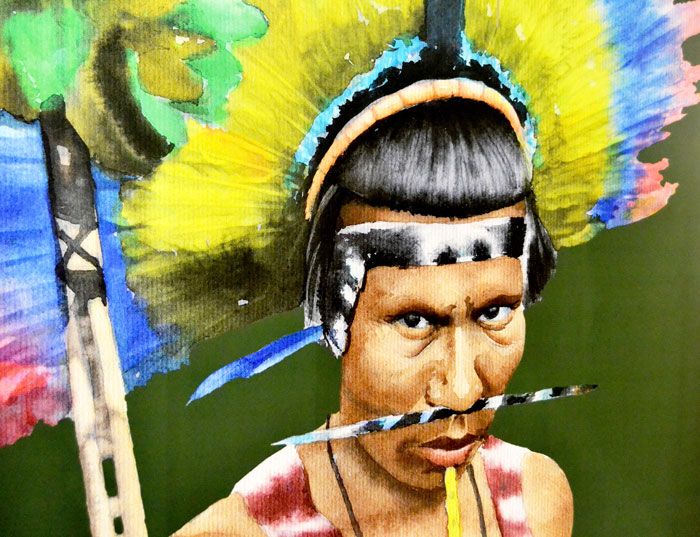
Curious data 1: The shaman was the leader of the community and was preparing for years to be the holder of the secrets of Yajé and Ayahuasca that allowed him to contact the spirit world and gave him the power to cure diseases, face enemies or summon the hunt.

The funeral ritual was also an essential part of the culture, the Omaguas buried their dead in shallow graves that were covered by some woods, waited for the body to decompose to dig up the bones, decorate them and place them in the funeral urns that were preserved in the houses for some time and then be buried again.

The shapes of these urns were strongly linked to fertility, showing signs of rebirth after death. Seed urns: ceramics whose shape reminds us of that of reptile eggs, female figures or the belly of a pregnant woman.

This civilization found beauty by having an oval face for which they had the habit of flattening their skulls with wood and vegetable fibers to have a “Moon Face”; as described by Pablo Maroni, missionary of the eighteenth century.

Curious fact: The puma or eagle embodied in ceremonial plates and urns represent sacred animals as it was believed that the shaman at death became one of them.

Extinction

It is known that in the seventeenth century the Omaguas began to avoid contact with the civilizations of the west as it brought epidemics and abuse by merchants and landowners; finding refuge within the territories of the Jesuits in present-day Peru, this order moves them downstream to the middlelower basin of the Napo River and others settled inside the jungle in places of difficult access where their culture slowly It was disappearing.

Fun fact: The puma or eagle embodied in ceremonial plates and urns represent sacred animals since it was believed that the shaman at death became one of them.

Bibliography

  • Un viaje con los Omaguas, Museo Arqueológico Centro Cultural Orellana (MACCO).

Los Omaguas

Los bosques tropicales de la Amazonía ecuatoriana esconden las huellas de las diferentes civilizaciones que la han habitado a lo largo de los siglos, con el pasar del tiempo han ido apareciendo evidencias de su existencia, ya sea por la voluntad de la madre naturaleza o por las expediciones realizadas por quiénes las estudian y escriben su historia.

Existe una cultura que habitó las riberas del Río Napo y Coca que aún la historia no las ha reconocido, Los Omaguas.

Sus antecedentes arqueológicos indican que entre los años 1.100 y 1.400 d.C poblaron la región central de la Amazonía, también conocidos como “Los Piratas del Río Napo”, los Omaguas fueron unas de las civilizaciones más grandes y feroces de la región, se conoce que su territorio abarcó más de 900 kilómetros cuadrados.

El lenguaje de la cerámica y los ritos funerarios

Caracterizados por ser navegantes y guerreros, este pueblo era refinado ya que poseía un amplio bagaje cultural y espiritual; evidencia que fue plasmada en su cerámica cuyas formas y representaciones hacían referencia al mundo de los espíritus presente en todas las formas vivas e inertes de su entorno. 

Dato curioso 1: El shamán era el líder de la comunidad y se preparaba durante años para ser el poseedor de los secretos del Yajé y de la Ayahuasca que le permitían contactarse con el mundo de los espíritus y le brindaba el poder de curar enfermedades, enfrentarse a los enemigos o convocar a la cacería.

El ritual funerario también era una parte esencial de la cultura, los Omaguas enterraban a sus difuntos en tumbas superficiales que era cubiertas por algunas maderas, esperaban a que el cuerpo se descompusiera para desenterrar los huesos, decorarlos y colocarlos en las urnas funerarias que eran conservadas en las viviendas durante algún tiempo para luego ser enterradas nuevamente.

Esta civilización encontraba la belleza al poseer un rostro ovalado para lo cuál tenían la costumbre de achatar sus cráneos con maderas y fibras vegetales para tener un “Rostro de Luna” como lo describió Pablo Maroni, misionero del siglo XVIII.

Las formas de estas urnas guardaban un fuerte vínculo con la fertilidad y fecundidad dando muestras de un renacer después de la muerte. Urnas semilla: cerámicas cuya forma nos recuerda a la de los huevos de los reptiles, a figuras femeninas o al vientre de una mujer embarazada.

Dato curioso: El puma o el águila plasmados en platos ceremoniales y urnas representan a animales sagrados ya que se creía que el shamán al morir se convertía en uno de ellos.

Extinción

Se conoce que en el siglo XVII los Omaguas comenzaron a rehuir del contacto con las civilizaciones de occidente ya que les trajo epidemias y abusos por parte de comerciantes y hacendados; encontrando refugio dentro de los territorios de los Jesuitas en el actual Perú, esta orden los traslada a río abajo a la cuenca media- baja del río Napo y otros se asentaron al interior de la selva en lugares de difícil acceso donde su cultura de a poco fue desapareciendo.

Bibliografía

  • Un viaje con los Omaguas, Museo Arqueológico Centro Cultural Orellana (MACCO).